How condoms are made? What are the quality control measures adopted?
From latex tapped before dawn on a rubber plantation to the sealed foil in your hand — ten manufacturing stages, four destructive batch tests, one test every single condom must pass individually, and five centuries of history that got us here.
A condom is an industrially manufactured medical device, not a rubber accessory.
It starts as tree sap, passes through a chemistry stage that decides everything you later notice about it, gets dipped twice onto a glass former, vulcanised, washed, and then individually electrically tested before its batch faces four more destructive tests.
Which is why condom failures almost never originate in the factory. They originate in a wallet, a glovebox, or a bottle of coconut oil.
The Ten Stages

It begins on a rubber plantation. A diagonal cut in the bark of Hevea brasiliensis lets a milky fluid run into a collecting cup — this is natural rubber latex, and it is the raw material for the great majority of condoms made anywhere.
Tapping happens before dawn. Cooler air keeps the latex flowing longer and slows the natural coagulation that would otherwise begin within hours of leaving the tree.
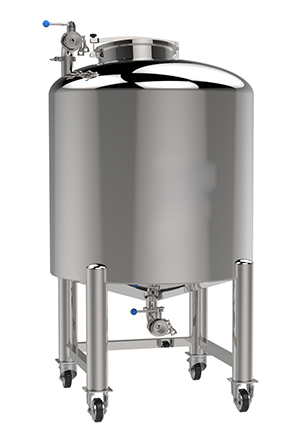
Collected latex is stabilised with ammonia and held in temperature-controlled tanks to stop it setting. It is then centrifuged to concentrate the rubber content before shipping.
Only at this point does it travel to a condom plant, where it is tested again on arrival — because the quality ceiling of the finished condom is set here, at the raw material.

Raw latex alone would make a weak, sticky film. Compounding blends it with vulcanising agents, accelerators, antioxidants and stabilisers, then leaves the mixture to mature for a set period.
This stage determines almost everything the user eventually notices — thickness, strength, elasticity, softness and shelf life are all decided in the compounding tank rather than later on the line.

Rows of glass formers — precisely shaped moulds — travel on a chain through a tank of compounded latex. Each former is dipped twice, building two thin layers rather than one thick one, which gives a more uniform film.
Between dips the formers pass through ovens to dry. The double-dip is why a condom perhaps 0.05mm thick can still hold many litres of air.

A rotating brush rolls the open edge of each condom back on itself, forming the thickened ring you can feel at the base of any condom.
That bead is structural. It is what lets you roll the condom down without tearing it, and what holds it in place during use.
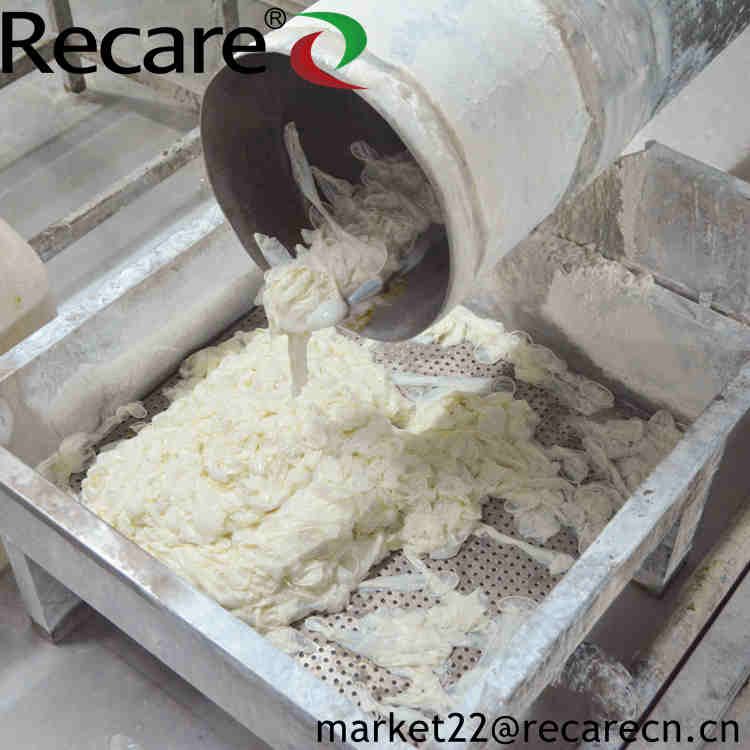
The coated formers pass through curing ovens where heat triggers vulcanisation — sulphur cross-links form between the rubber molecules, converting a soft film into a strong, elastic one.
This is the same chemistry that made rubber a usable industrial material in the nineteenth century, and it is the step that turns latex into something that can stretch to several times its length and return.

High-pressure water jets and rotating brushes strip the finished condoms off the formers. They are then washed to remove residual chemicals and surface proteins, and tumbled with a dry lubricant so they do not stick to each other.
Washing matters more than it sounds: residual latex proteins are what provoke reactions in people with latex sensitivity, so thorough washing reduces that risk.

Each condom is rolled onto a metal mandrel and passed through an electrical field. Metal conducts; intact latex does not. Any pinhole or thin spot completes the circuit and the machine ejects that condom automatically.
This is not sampling. Under the international standard, every individual condom that reaches a packet has passed this test.
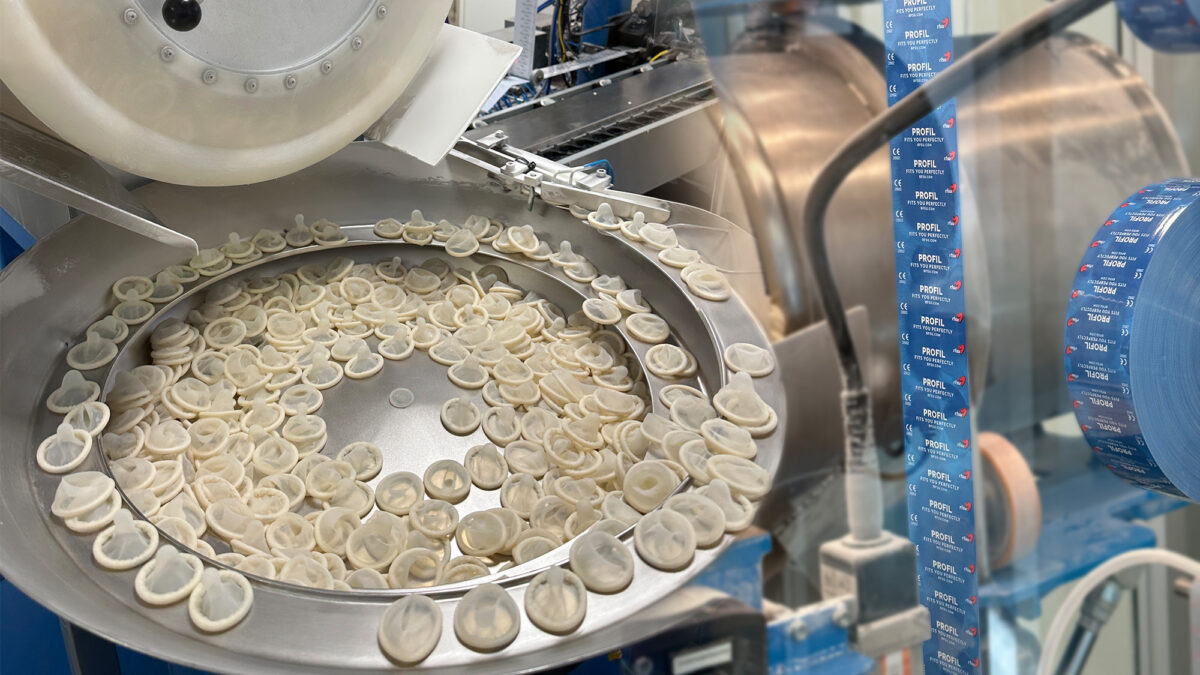
Survivors are rolled flat, dosed with silicone lubricant, and sealed into individual foil or laminate wrappers under a controlled atmosphere. The wrapper is as much a part of the product as the condom — it is what protects the latex from light, air and humidity.
Batch number and expiry date are printed on each wrapper, not only on the outer box, so a single loose condom can always be traced and dated.

Before any lot is released, samples from it face the four destructive tests set out below. If a sample fails, the lot does not ship.
Only then are the sealed condoms packed into retail boxes and dispatched — the point at which a product that began as tree sap on a plantation becomes the foil packet in your hand.
The Four Batch Tests
Samples are pulled from every lot and destroyed on purpose. If a sample fails, the whole lot is held back.
| Test | What happens | What it proves |
|---|---|---|
| Airburst | The condom is inflated inside a chamber until it bursts, with both the volume of air and the pressure recorded. | Elasticity and burst strength — a condom must reach a defined minimum volume, which varies with its nominal width. |
| Water leak | Filled with a measured volume of water, sealed and inspected — sometimes rolled on absorbent paper to reveal seepage. | Freedom from holes too small for the eye, and integrity along the whole length rather than just the tip. |
| Tensile strength | A ring cut from the body of the condom is stretched on a machine until it snaps. | Force at break and elongation at break — how far the film stretches before failing, and how hard it resists. |
| Accelerated ageing | Samples are held in an oven at elevated temperature and controlled humidity for a set period, then retested. | Shelf life. Days in an oven stand in for years on a shelf, which is how the expiry date is established. |
Condoms are classified as medical devices, so these are regulatory requirements rather than voluntary quality measures. Condoms sold in India additionally require BIS certification.
🇮🇳 India Is a Condom Superpower
Most people buying a condom in Chennai or Kochi assume it was made elsewhere. Usually it wasn't. India is among the world's largest condom manufacturers, with plants across Kerala, Tamil Nadu and Gujarat supplying both the domestic market and very large export orders — including for international public health programmes.
India also grows a meaningful share of the raw material. Kerala's rubber plantations feed a supply chain that runs from tapping through to foiling without the latex ever leaving the country.
That matters commercially as well as patriotically: an Indian-made condom meets the same international standard as any global brand, plus BIS certification — so paying more for an imported name buys you a different film thickness or texture, not a different level of safety.
One Material That Behaves Differently
Latex, polyurethane and polyisoprene all block viruses. Lambskin — made from animal membrane — does not. Its natural pores are large enough to pass viral particles including HIV, hepatitis B and herpes, so while it works as a contraceptive, it offers no meaningful protection against sexually transmitted infections.
It's uncommon in India and worth recognising if you encounter it. For a latex allergy, polyurethane or polyisoprene are the right alternatives — both are fully protective.
A Short History of the Condom
Nothing about the process described above was obvious. Each stage was solved by someone, at a particular moment, usually in response to a particular problem — and the modern condom is the accumulated result of roughly five centuries of that.
What Five Centuries of Iteration Bought
A sixteenth-century linen sheath had to be tied on. An eighteenth-century gut condom was washed and reused. A Victorian rubber one was thick, seamed and sold as durable goods. Today's condom is 0.02–0.07mm thick, individually tested for holes, sterile, single-use, and costs less than a cup of tea.
That trajectory is worth knowing for one practical reason: every improvement made the product more reliable and more disposable. The failure modes that remain are no longer manufacturing ones — they're storage, fit and lubricant choice.
What the Process Produces
Six things that exist because of decisions made on the line above.




Shop by Category






Why Any of This Matters to You
Because it tells you where the risk actually sits. A condom leaves the factory having been individually tested for holes and drawn from a batch that survived four destructive tests. The manufacturing is not the weak link. What happens afterwards is — heat in a glovebox, months of friction in a wallet, an oil-based lubricant, or a nominal width that was never right in the first place. Handle the product as carefully as the plant did and you get the reliability the plant built in.
Explore More Guides
15 Condom Facts · Condom Size Guide · Non Latex Condoms · The Pull Out Method · Oral Sex & HPV · UltraThin Condoms · All About Condoms · Sexual Health · Sexopedia · Condom Finder Quiz
Frequently Asked Questions
What are condoms actually made from?
The great majority are natural rubber latex, tapped from Hevea brasiliensis trees. The alternatives are polyurethane (a plastic film, thinner and unaffected by oils), polyisoprene (synthetic rubber, closest in feel to latex), and lambskin — which is made from animal membrane and, importantly, does not protect against sexually transmitted infections because its pores are large enough to pass viruses.
Is every condom really tested?
Yes, individually. Each condom is rolled onto a metal mandrel and passed through an electrical field; any pinhole or thin spot completes the circuit and that unit is automatically rejected. This is a requirement of the international standard, not a marketing claim — and it applies to every condom in every packet.
What do the batch tests involve?
Four destructive tests on samples from each lot: airburst (inflated until it bursts, with a minimum volume and pressure it must reach), water leak (filled with water and checked for seepage), tensile strength (stretched to breaking point), and accelerated ageing (held at elevated temperature to simulate years of shelf life in days). Fail one and the lot is not released.
How far can a condom stretch?
Latex condoms reach an elongation at break of over 700% — more than seven times their original length — before failing. The airburst test routinely takes them well past the volume of a human head, which is the demonstration most people have seen in a school video.
Why is latex tapped before dawn?
Because latex flows faster and coagulates more slowly in cool air. Tappers typically start between 4 and 6 am; by mid-morning the flow rate has dropped and the latex has begun to set in the cup.
Does India make condoms, or only import them?
India is one of the world's largest condom manufacturers. Plants across Kerala, Tamil Nadu and Gujarat supply both the domestic market and export orders, including large volumes for international health programmes. A condom bought in India is very often made in India — to the same international standard, plus BIS certification.
What actually determines whether a condom is thin or strong?
The compounding recipe, set long before dipping. Thickness, elasticity, softness and shelf life are all decided by how the latex is blended with vulcanising agents, accelerators and antioxidants. A thinner condom needs a stronger compound, not simply a shorter dip.
Is delivery from Condombazaar discreet?
Completely. Every order ships in plain, unmarked packaging with sender name CA Gain Healthcare — no product name or brand visible anywhere on the box. Delivering privately across India since 2010.
Who invented the condom?
No single inventor. The first clear written description is Gabriele Falloppio's in 1564 — a linen sheath soaked in solution, designed to prevent syphilis — but sheaths of various kinds predate him. The modern condom owes more to Charles Goodyear's vulcanisation of rubber in 1839 and the introduction of liquid latex around 1920 than to any one originator.
What were condoms made of before latex?
Linen in the sixteenth century, then animal membrane — chiefly sheep intestine — from the seventeenth century onwards. The oldest surviving physical examples, recovered at Dudley Castle in England, date from around the 1640s and are made of animal gut. They were expensive enough that they were washed and reused.
Where does the word 'condom' come from?
It is genuinely unresolved. The word appears in English by 1666, in a Birth Rate Commission report. The widely repeated story of a court physician named Dr Condom has never been substantiated by any contemporary record. A derivation from the Latin condere — to conceal or protect — is at least as plausible and is the explanation most linguists prefer.
When did condom manufacturing start in India?
Large-scale domestic production was built out from the 1960s, to supply India's national family-planning programme and the Nirodh brand distributed free or at subsidy. That capacity, concentrated in Kerala and later Tamil Nadu and Gujarat, is the foundation of India's current position as one of the world's largest condom manufacturers.
Why did condom standards get stricter in the 1980s?
The emergence of HIV/AIDS changed what a condom was for. Framed primarily as contraception until then, it became a barrier against a fatal infection — and regulators responded by tightening testing requirements sharply. The international standard that mandates individual electronic testing of every condom dates from that shift.
Related Guides
Was this guide useful? Share it: