Can Oral Sex cause Oral Cancer ???
HPV transmits through oral sex and is linked to one specific type of throat cancer. Here's what the evidence shows, what actually drives oral cancer in India, the vaccine that prevents most of it, and the symptoms worth showing a doctor.
Oral sex can contribute to one specific cancer — of the throat, not the mouth — and the individual risk is small.
HPV (human papillomavirus) transmits through oral sex and is associated with oropharyngeal cancer: the back of the throat, the base of the tongue and the tonsils. It is not the main cause of cancers of the mouth itself.
HPV is extremely common and most people encounter it. The great majority of infections clear by themselves within a year or two. A small number persist, and a smaller number progress — typically over one to three decades. So the relative risk is real and the absolute risk stays low.
Two things change the picture more than anything else: the HPV vaccine, and — in India especially — whether you use tobacco or betel quid. Both are covered below.
What the Evidence Shows
Figures reflect the ranges reported across major cancer-registry and epidemiological studies. They describe populations, not individuals — nobody can convert them into a personal probability.
🇮🇳 The India-Specific Picture
Oral cancer is among the most common cancers in Indian men — but the dominant cause here is not HPV. It's smokeless tobacco and areca nut: gutka, khaini, zarda, paan masala and betel quid, frequently combined with smoking and alcohol, which multiply each other's effect.
That distinction matters practically. Someone worried about their sexual history while chewing gutka daily is watching the smaller risk. Stopping tobacco and areca nut is the single most effective thing anyone in India can do for their mouth — larger in effect than every other item on this page combined.
It also changes what to look for. Tobacco-related disease usually appears in the mouth — the cheek lining, gums and tongue, often preceded by white or red patches. HPV-related disease appears further back, in the throat, and often presents as a painless lump in the neck rather than a sore in the mouth.
💉 The Vaccine — The Part That Actually Prevents This
HPV vaccination protects against the strains responsible for most HPV-related cancers, including HPV-16, the strain behind the large majority of HPV-positive throat cancers. It is the only intervention here that prevents the infection rather than reducing exposure to it.
- It works best before exposure. Routinely offered at ages 9 to 14, when two doses are sufficient. Older age groups need three doses and are still eligible under most guidelines.
- Boys benefit as much as girls. Given that HPV-related throat cancer is several times more common in men, vaccinating boys is not an afterthought — though it is still widely treated as one.
- India now has a domestic option. CERVAVAC, developed by the Serum Institute of India, is available alongside imported vaccines at substantially lower cost, which removes the main practical barrier for most families.
- It isn't useless after exposure. You are unlikely to have encountered every strain, so vaccination can still protect against the ones you haven't.
⚠️ Symptoms — The Three-Week Rule
Almost everything in the mouth resolves within three weeks. Anything that doesn't should be looked at.
None of these means cancer — all of them have common, harmless explanations, and most turn out to be exactly that. The point of the three-week rule is that it gives you a clear threshold instead of a vague worry. A dentist or an ENT doctor can settle it quickly, and these cancers are highly treatable when found early.
Reducing Exposure
Barriers don't eliminate HPV risk, because HPV spreads through skin-to-skin contact including areas a barrier doesn't cover. They do meaningfully reduce exposure, and they substantially reduce the risk of other infections that transmit orally — gonorrhoea, chlamydia, syphilis and herpes among them.
✅ Genuinely useful
- HPV vaccination — by a wide margin the most effective step
- Stopping tobacco and areca nut, if that applies
- A condom for oral sex on a man; a dental dam for oral sex on a woman or for oral-anal contact
- A condom cut lengthwise and opened flat works as a dam
- Fewer concurrent partners, and testing with new ones
- Regular dental check-ups — dentists spot these lesions first
⚠️ Worth avoiding
- Oral sex when either of you has mouth ulcers, cuts or bleeding gums
- Brushing or flossing immediately beforehand — micro-abrasions ease transmission
- Moving from anal to vaginal contact without washing or changing the barrier
- Assuming "no symptoms" means "no infection" — most STIs are silent
- Ignoring something in your mouth because it doesn't hurt
What to Have on Hand
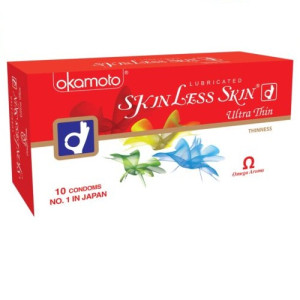
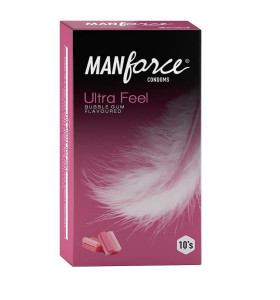
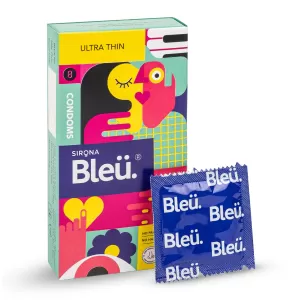
Purpose-made dental dams are hard to find in India. A flavoured condom cut lengthwise and opened flat is the widely recommended substitute — and it's the one people actually keep using.



Shop by Category

The Short Version
HPV transmits through oral sex and is linked to cancers at the back of the throat. Most infections clear by themselves, the gap between infection and disease runs into decades, and the individual risk is small. The vaccine prevents most of it — including for boys, who carry the higher burden of this particular cancer. And in India, if tobacco or areca nut is part of your life, that is the larger risk to your mouth by a considerable distance. Use a barrier, get vaccinated, see someone about anything that hasn't healed in three weeks, and don't let a rare risk overshadow a common one.
Explore More Guides
Congress of the Mouth · Opening the Peony (43) · Teasing the Jade Stem (49) · The Pull Out Method · Flavored Condoms · Love & Intimacy Dictionary · Sexual Health · All About Condoms · How-To Guides · All 365 Positions
Frequently Asked Questions
Can oral sex cause oral cancer?
It can contribute to one specific type. HPV — human papillomavirus — transmits through oral sex and is associated with oropharyngeal cancer, which affects the back of the throat, the base of the tongue and the tonsils. HPV is linked to roughly 70% of these cancers in Western populations. It is not linked to most cancers of the mouth itself, which have different causes.
How likely is it, really?
Low in absolute terms. HPV is extremely common — most sexually active adults encounter it — but around 90% of infections clear on their own within one to two years without ever causing symptoms. Only a small fraction persist, and only a fraction of those progress to cancer, usually over one to three decades. Elevated relative risk applied to a rare outcome still gives a small individual risk.
What matters more in India — HPV or tobacco?
Tobacco, by a wide margin. Oral cancer is among the most common cancers in Indian men, and the dominant drivers are smokeless tobacco, betel quid and areca nut — gutka, khaini, paan masala, zarda — often combined with alcohol. If you chew any of these, that is a far larger risk to your mouth than your sexual history, and stopping is the single most effective thing you can do.
Is there a vaccine?
Yes, and it's the most important fact on this page. HPV vaccines protect against the strains responsible for most HPV-related cancers, including HPV-16, the strain behind the great majority of HPV-positive throat cancers. Both imported vaccines and India's own CERVAVAC are available. It works best before exposure — routinely offered at ages 9 to 14 — but is approved for older age groups too. Boys benefit as much as girls here, since HPV-related throat cancer is more common in men.
Which symptoms need a doctor?
A mouth ulcer, patch, lump or swelling that has not healed after three weeks. Also: persistent sore throat, pain or difficulty swallowing, a lump in the neck, a hoarse voice lasting weeks, or unexplained persistent ear pain on one side. Three weeks is the threshold — most things resolve well before that, and the ones that don't are worth showing to a dentist or ENT doctor.
Do barriers actually help?
They reduce exposure meaningfully. A condom for oral sex on a man, and a dental dam — or a condom cut lengthwise and opened flat — for oral sex on a woman or for oral-anal contact. Purpose-made dams are hard to find in India, which is why the cut-condom method is widely recommended. A flavoured one makes it something you'll actually use.
Is delivery from Condombazaar discreet?
Completely. Every order ships in plain, unmarked packaging with sender name CA Gain Healthcare — no product name or brand visible anywhere on the box. Delivering privately across India since 2010.
Related Guides
Was this guide useful? Share it: